
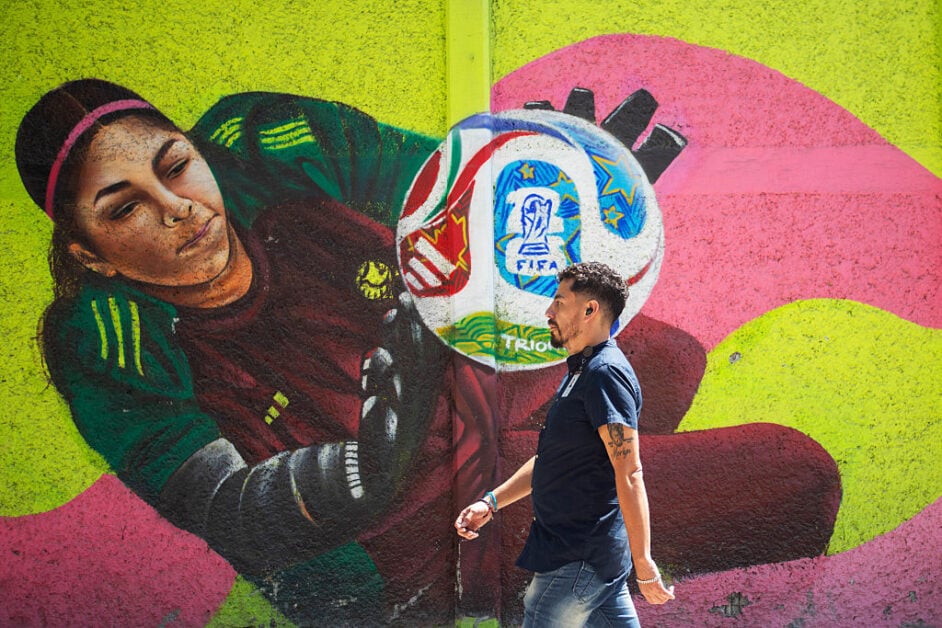
In most countries, when a World Cup is on the horizon, you can feel it in the air years out. Flags in shop windows. Ticket debates in group chats. Wall charts ready to be dusted off.
But as we edge closer to the 2026 FIFA World Cup, there’s a slightly uncomfortable question doing the rounds: where’s the noise in the United States?
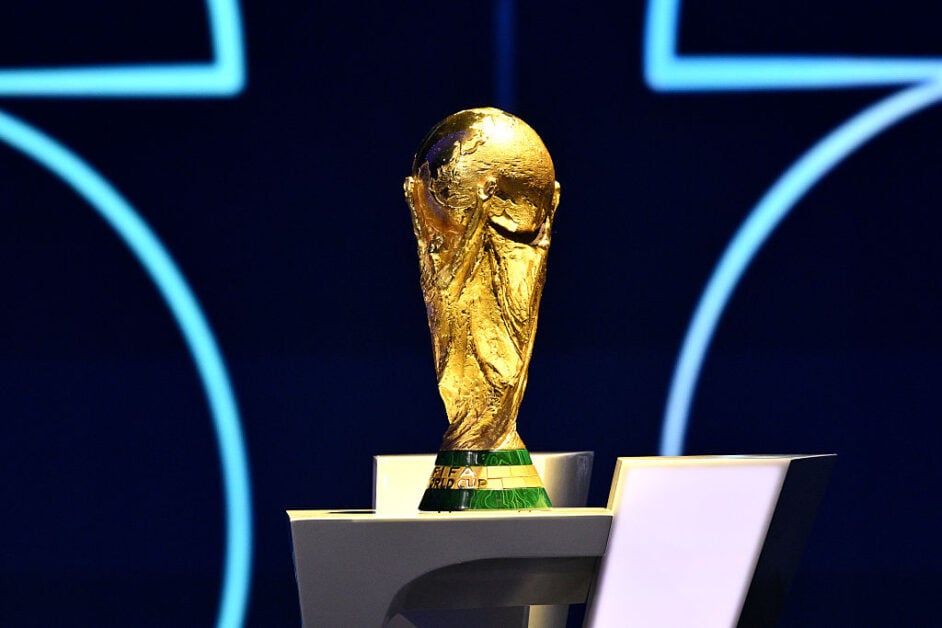
This is set to be the biggest tournament in history. Forty-eight teams. Three host nations. The USA staging the majority of matches, including the final. On paper, it should be an absolute monster of a summer.
Yet compared to previous host nations, the hype doesn’t quite feel fever pitch. Not yet, anyway.
Now, let’s be clear. There’s no official panic button being smashed at FIFA headquarters. But there has been growing chatter around ticket pricing, local funding concerns and whether football can truly dominate the American sporting calendar in the way it does everywhere else.
And that’s where this gets interesting.
The United States is a sporting superpower. But it’s also a sporting battleground. The NFL, NBA, MLB and college sport command fierce loyalty. Football, while growing rapidly, is still fighting for space in a crowded entertainment market.
That doesn’t mean Americans don’t care about the World Cup. It just means it’s competing.
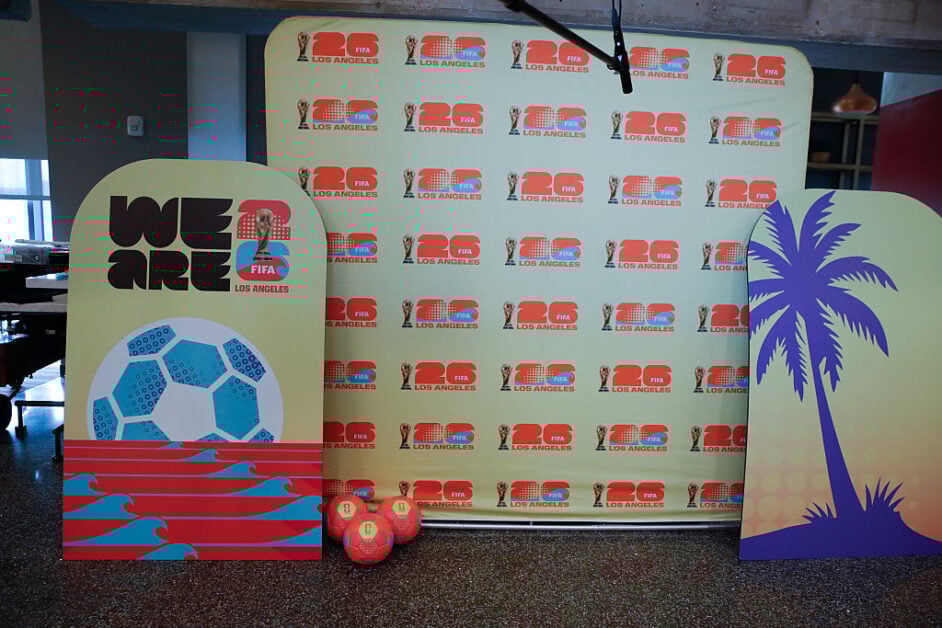
There’s also the money side of things. Hosting a World Cup is expensive. Security, policing, transport, fan zones, emergency services. It all adds up quickly.
In Houston, officials have discussed the need for significant federal support to cover public safety costs tied to hosting multiple matches. Over in Foxborough, there have been public conversations about funding gaps connected to staging games at Gillette Stadium.
Plans for a major FanFest event near the Statue of Liberty were scrapped over cost concerns, with organisers pivoting to smaller community activations instead. That kind of headline doesn’t scream “football fever”, even if the reasons behind it are purely logistical.
That’s not scandal. That is just logistics. Every mega-event brings it.
But it does underline the reality: this tournament isn’t just about goals and glory. It’s about budgets and bureaucracy too.
Some fans online have taken that and run with it, suggesting the U.S. government isn’t particularly invested. That’s not entirely fair. The White House has established a dedicated task force to coordinate federal efforts around the tournament, including security and infrastructure planning.
So support exists. It just hasn’t been wrapped in chest-thumping national campaigns or wall-to-wall promotional blitzes.
Then there’s the ticket debate.
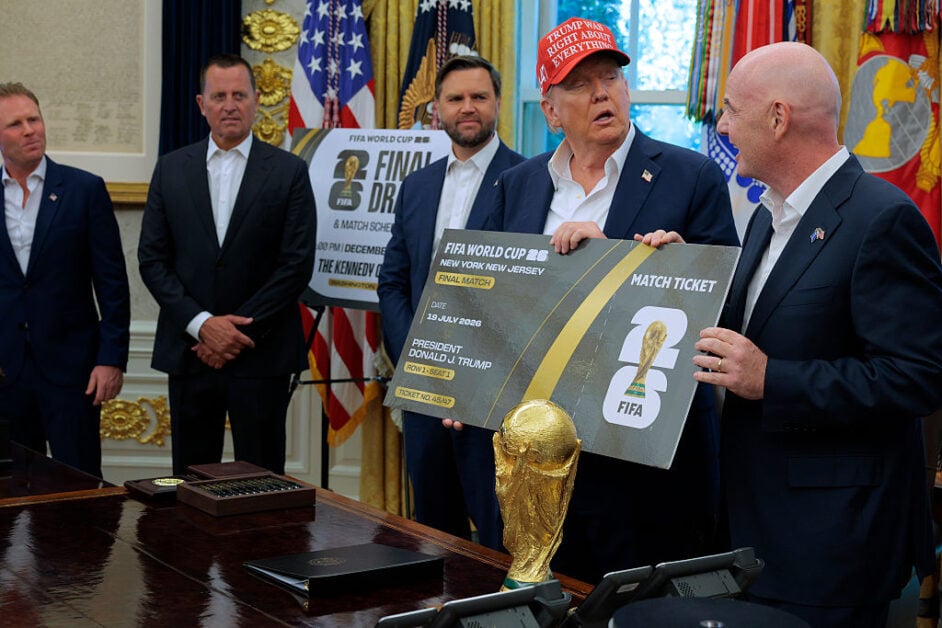
Hospitality packages and early resale figures have sparked criticism about accessibility. When prices start climbing into the thousands, everyday supporters start asking whether this World Cup is being built more for corporate clients than for fans.
And if there’s one thing football supporters care about, it’s being in the room.
To be fair, the 2026 tournament is still a long way out. American sports culture has a habit of flipping the switch late and going all-in when the moment arrives. The 1994 World Cup, also hosted in the States, broke attendance records and helped launch the modern era of football in the country.
Since then, the landscape has changed massively. Football participation is up. Viewership is up. Younger audiences are plugged into European leagues weekly. The sport isn’t niche anymore.
So is there really a risk of “negative records”?
Right now, that feels like a stretch.
The stadiums are enormous. Global demand will be relentless once final allocations are confirmed. International fans will travel in numbers. And if the U.S. national team is competitive on home soil, the atmosphere will ramp up quickly.
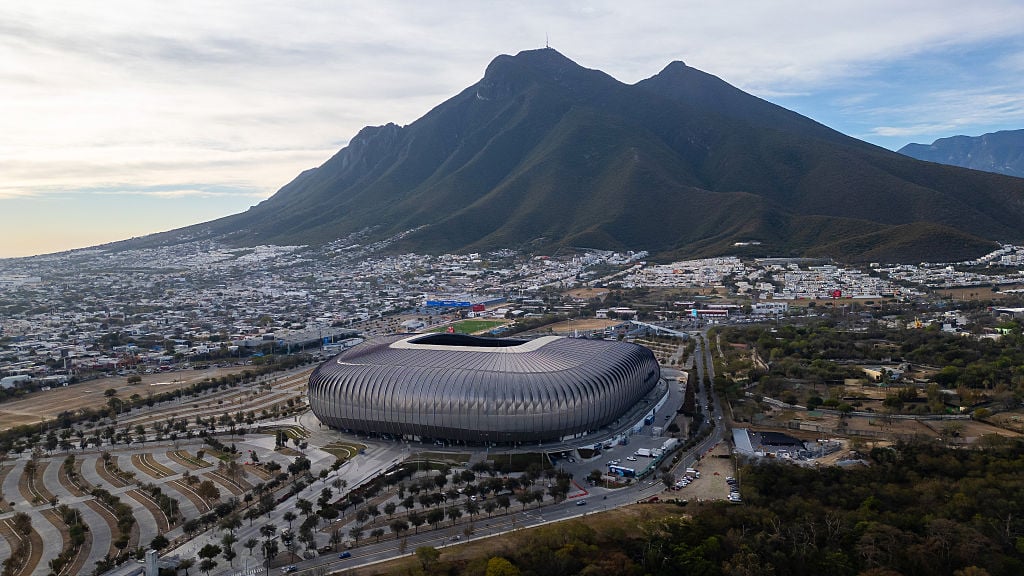
But here’s the honest take.
This World Cup feels different because the host nation feels different. The United States doesn’t do football the way Europe or South America does. It packages events, commercialises them and leans into spectacle.
That could mean the biggest, boldest World Cup we’ve ever seen.
Or it could mean a tournament that feels corporate before it feels cultural.
So what are we expecting when it comes to the hype? I think we’re all just wanting a bit exciting promotional material floating around. Trailers, promo videos, merch and something where football meets the ‘American dream’. But so far we’ve had nothing.
For fans, the concern isn’t whether matches will sell out. They will. The concern is whether this becomes a proper football summer. The kind where cities live and breathe it. The kind where the streets feel like they belong to the game.
There’s still plenty of time for that energy to build.
But as it stands, the 2026 World Cup sits in an unusual place. Huge on scale. Massive on potential. Slightly muted on vibe.
And maybe that’s just the calm before the storm.
Because when the first whistle blows, and 48 nations step onto American soil chasing the biggest prize in sport, hype has a funny way of taking care of itself.
Related Articles:
 Seattle Seahawks Win Super Bowl 60: All The Best Reactions
 Bad Bunny Super Bowl Half-Time Show Draws Huge Reactions
 Pubs set to open late for home nations matches during 2026 fifa world cup
 Bad Bunny Linked With Huge WrestleMania Match After Super Bowl Moment
 Can Lionel Messi guide Inter Miami to FIFA Club World Cup glory?… Legendary commentator says ‘He’s got that sparkle’
 Fans Can’t Believe ‘Creepy’ Outfit Patriots Star Wore To Super Bowl 60
Related Articles:
Seattle Seahawks Win Super Bowl 60: All The Best Reactions
Bad Bunny Super Bowl Half-Time Show Draws Huge Reactions
Pubs set to open late for home nations matches during 2026 fifa world cup
Bad Bunny Linked With Huge WrestleMania Match After Super Bowl Moment
Can Lionel Messi guide Inter Miami to FIFA Club World Cup glory?… Legendary commentator says ‘He’s got that sparkle’
Fans Can’t Believe ‘Creepy’ Outfit Patriots Star Wore To Super Bowl 60
